
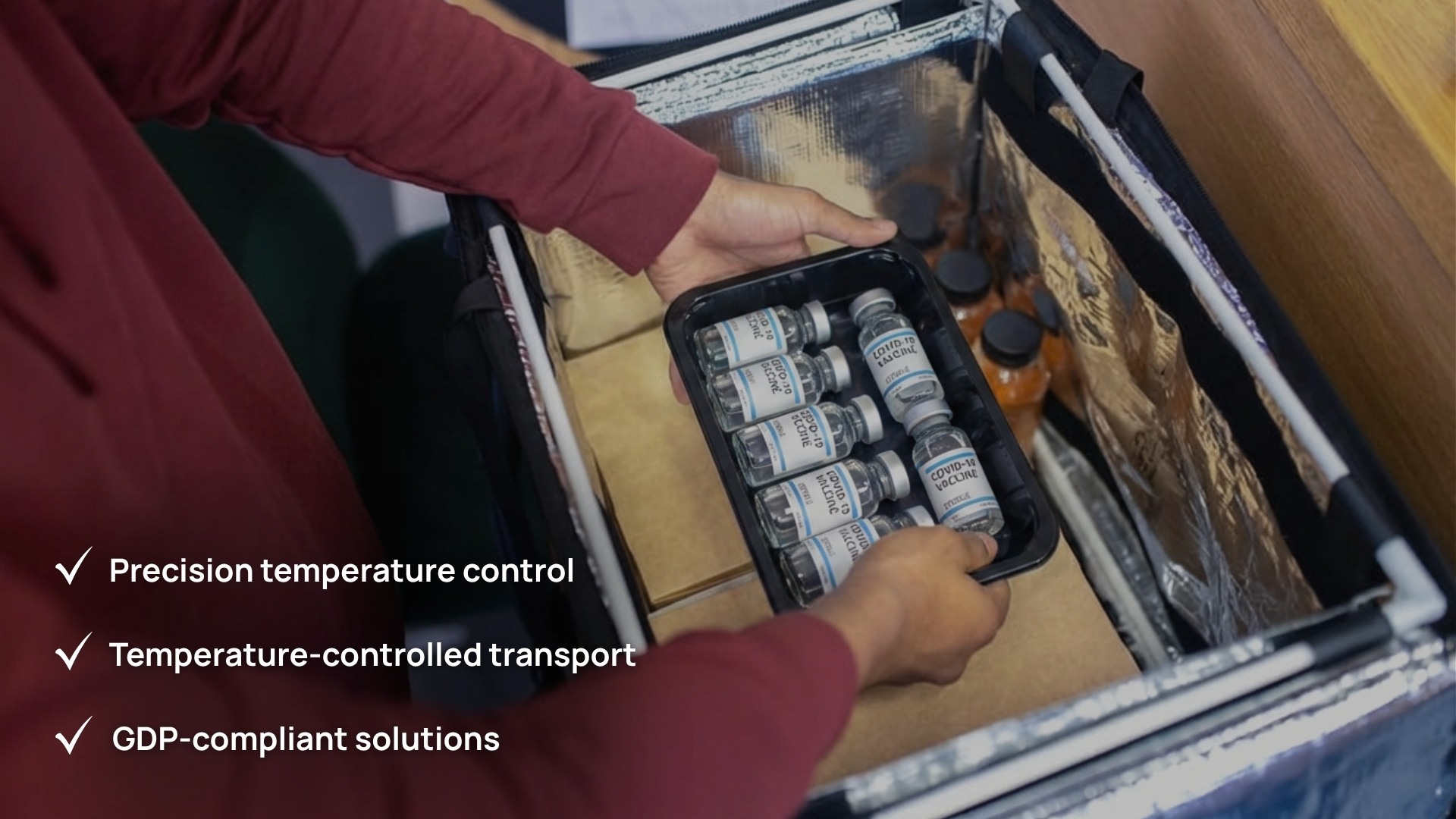
A practical guide for healthcare providers and pharmaceutical logistics teams
Cold chain logistics for biologics is one of the most critical — and often underestimated — parts of pharmaceutical distribution.
From vaccines and cell therapies to temperature-sensitive biologics, even small temperature deviations can compromise product integrity, delay treatments, or result in significant financial loss.
Despite this, many organizations still rely on fragmented processes, outdated packaging methods, or limited visibility during transport.
This guide breaks down how to handle cold chain logistics in a structured, reliable, and scalable way — helping you move from uncertainty to full control.
Cold chain logistics refers to the transportation and storage of temperature-sensitive products under controlled conditions throughout the entire supply chain.
For biologics, this typically involves maintaining strict temperature ranges such as:
2–8°C (refrigerated)
-20°C (frozen)
-80°C (ultra-low temperature)
Unlike traditional pharmaceuticals, biologics are highly sensitive to temperature fluctuations and may degrade rapidly if conditions are not maintained.
→ The key principle: You are not just moving products — you are preserving stability.
Before selecting packaging or logistics partners, you need a clear understanding of the product and its vulnerabilities.
Key factors to assess:
Mapping your supply chain helps identify where failures are most likely to occur — especially during handovers and temporary storage.
→ A reliable cold chain starts with understanding risk.
Packaging is one of the most important decisions in cold chain logistics.
Common packaging options:
Passive systems (PCM-based)
Dry ice solutions
Active systems
Why PCM solutions are increasingly preferred
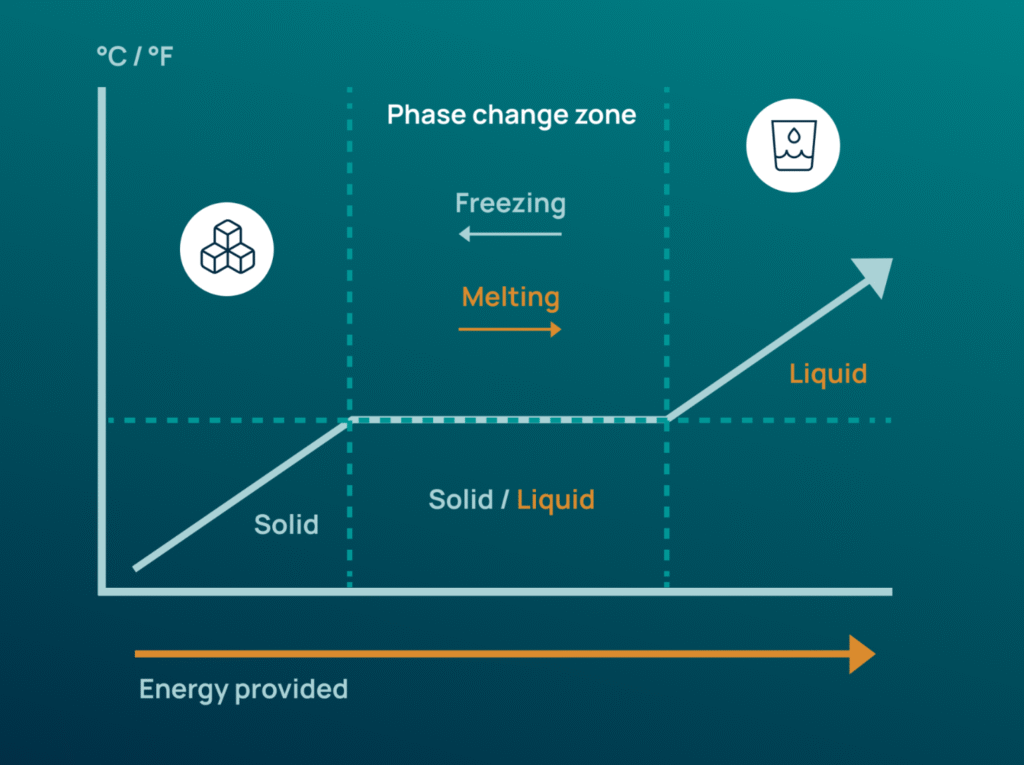
PCM-based systems offer a strong balance between:
They are especially effective for 2–8°C and controlled cold chain environments, where consistent temperature control is critical.
Solutions developed by companies such as Climator are designed to maintain stable conditions using engineered PCM technology, reducing reliance on continuous power or consumables.
→ This makes them well suited for pharmaceutical logistics where reliability is key.
“In biologics logistics, failure isn’t visible — it happens quietly, through temperature loss.”
Visibility is essential in modern cold chain logistics.
What should be monitored:
Why it matters:
Many organizations still rely on passive loggers that only provide data after delivery — which is often too late.
→ The shift is toward real-time monitoring integrated into logistics workflows.
Cold chain logistics in the pharmaceutical industry must comply with strict regulatory frameworks.
Key standards include:
Core compliance requirements:
Failure to meet these standards can lead to rejected shipments, regulatory issues, and loss of trust.
→ Compliance must be built into every step of the process.
Even with the right systems in place, your logistics partner plays a critical role.
What to look for:
Some organizations rely on global logistics providers, while others choose specialized partners focused on temperature-controlled solutions.
→ The best choice depends on your specific product, routes, and requirements.
Even well-established processes can fail without proper control.
Common issues include:
Identifying and addressing these risks early can significantly improve reliability.
“Precision in temperature control is what separates compliant transport from costly risk.”
Sustainability is becoming a key factor in logistics decisions.
Traditional cooling methods such as dry ice:
PCM-based and reusable systems:
→ Sustainable solutions are increasingly aligned with both operational and regulatory expectations.
Cold chain logistics for biologics is about managing risk in a highly sensitive and regulated environment.
The organizations that succeed are not necessarily those with the most advanced technology — but those with the clearest structure, processes, and execution.
Focus on:
This allows you to move from reactive problem-solving to proactive control.
→ And in a field where product integrity is everything — that shift makes all the difference.
Cold chain logistics refers to maintaining temperature-controlled conditions during the transportation and storage of sensitive pharmaceutical products.
Biologics are highly sensitive to temperature changes and can lose effectiveness or degrade if exposed to incorrect conditions.
It depends on the temperature range, but PCM-based packaging solutions is increasingly preferred due to its stability and sustainability.
The most common risks include temperature excursions, lack of monitoring, and poor handling during transportation handoffs.
By following GDP guidelines, validating packaging systems, monitoring temperature continuously, and documenting the entire process.

This article has been reviewed and validated by Johan Brunberg, CEO of Climator,
who has extensive experience in temperature-controlled logistics and long-term leadership within the company.
Climator Sweden AB was founded in 1979, with the focus on energy storing PCM materials. At the same time, we also launched ClimSel, our own brand of high-quality PCM material with excellent energy storage properties. Since then, we have successfully developed, produced and marketed ClimSel on the global market.